1 hr 30 min
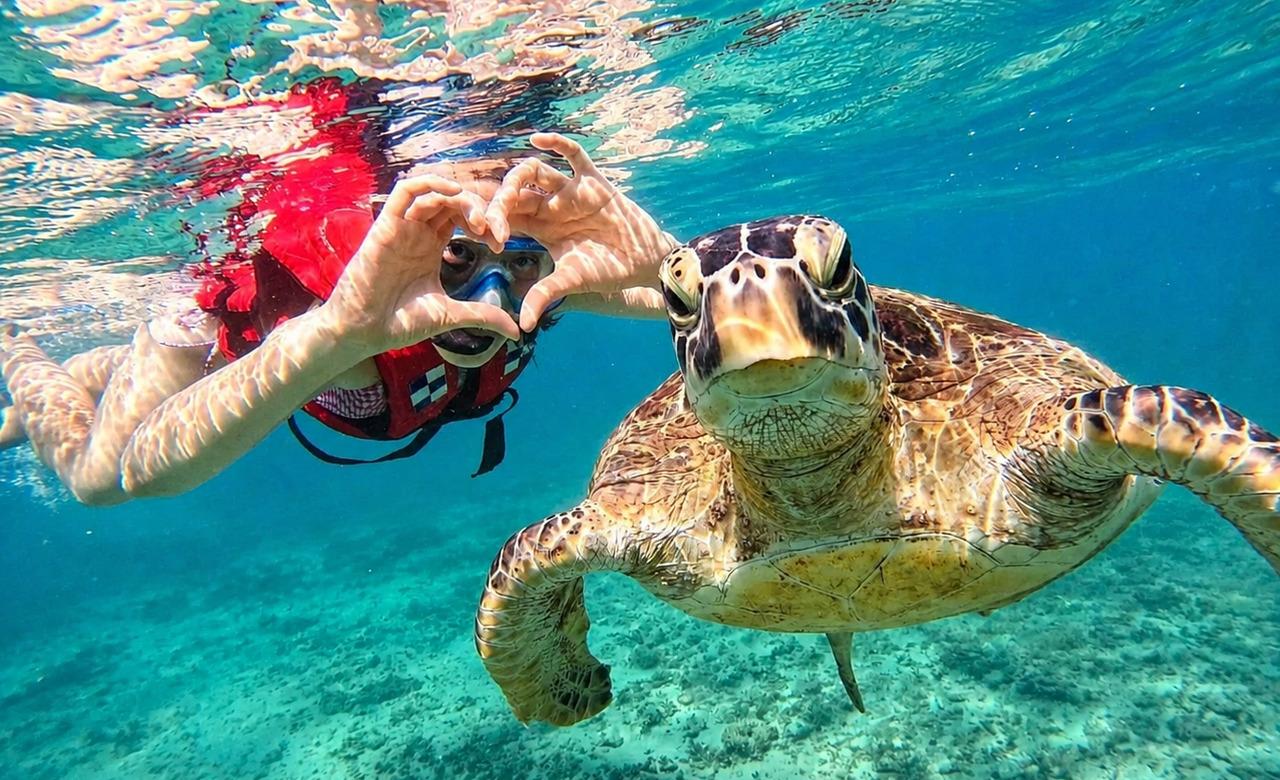
Mirissa Turtle Snorkeling Adventure
Swim with sea turtles in crystal-clear waters along Sri Lanka's stunning southern coastline
Reserve
Hand-picked by our editors — only the best 5 snorkeling adventures from 23 reviewed.
Verified partners for every tour, free cancellation where available, and instant confirmation on every booking.
1 hr 30 min
Swim with sea turtles in crystal-clear waters along Sri Lanka's stunning southern coastline
Reserve
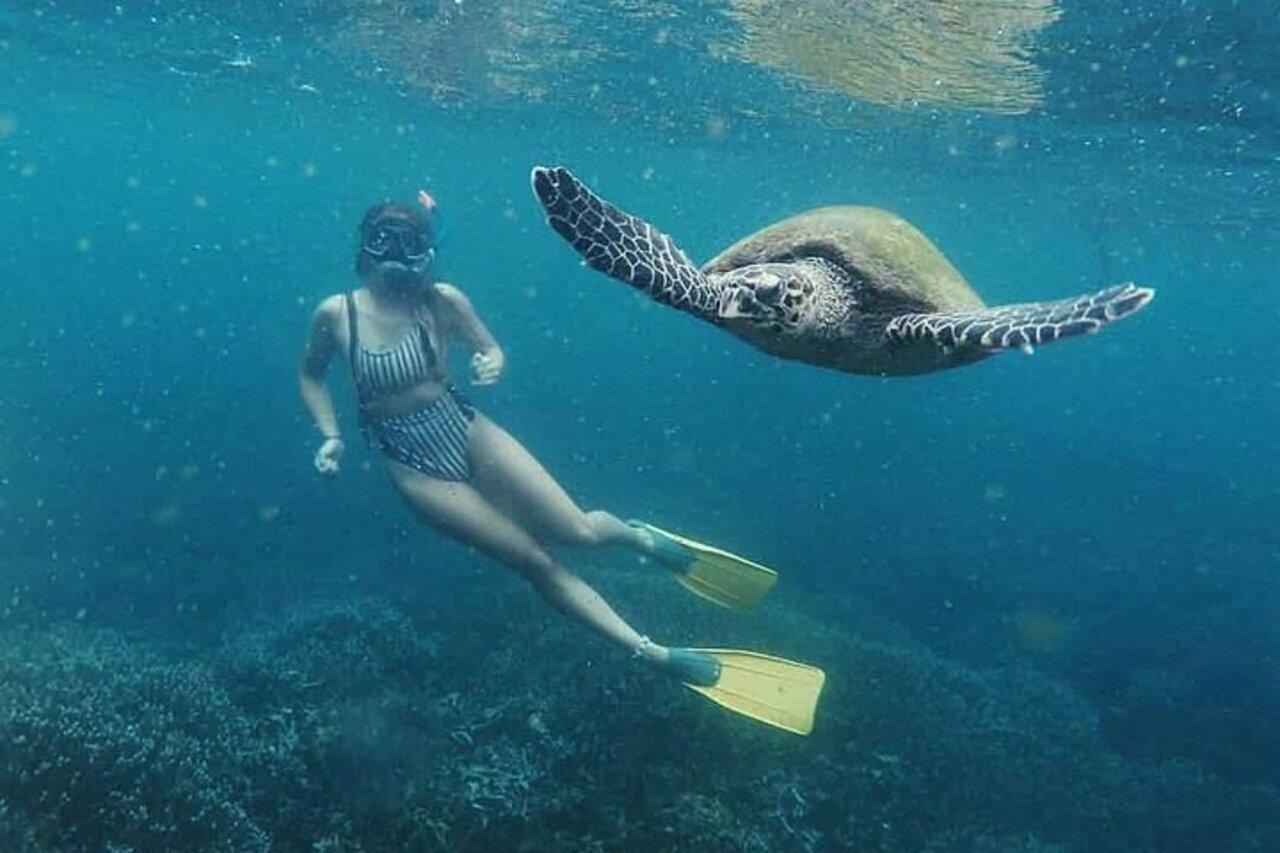
1 hr
Swim alongside sea turtles in their natural habitat off Sri Lanka's stunning southern coastline
Reserve
3 hr
Discover vibrant coral reefs and swim alongside sea turtles in one of Sri Lanka's premier marine parks
ReservePrices from verified partners. Availability updates in real time at checkout. Free cancellation policies apply where shown.
The landmarks, rooms, and views travelers on this tour remember — all visible on a single visit.
The main island features a 200m long coral reef home to hundreds of fish species
A protected area marked by buoys where blacktip reef sharks are commonly sighted
A smaller islet surrounded by rocky outcrops and diverse marine life
Extensive areas of soft and hard coral that escaped major bleaching events
A unique habitat for the endemic birds that gave the island its name
Pigeon Island offers superior coral reef density, while Mirissa provides better opportunities for pelagic encounters; most visitors who do both call the former the more reliable snorkeling in sri lanka experience.
| Feature | Top pick Pigeon Island | Mirissa Snorkeling |
|---|---|---|
Primary Season |
April to September | November to April |
Marine Life Focus |
Blacktip reef sharks and coral | Sea turtles and blue whales |
Accessibility |
Boat required from Nilaveli | Boat required from Mirissa harbor |
Water Conditions |
Calm shallow lagoons | Open ocean swells |
Conservation Status |
Protected National Park | Marine sanctuary zone |
Booking Requirement |
Entrance fee required | Advance snorkeling in sri lanka tours recommended |
| See tickets → |
Verdict: Choose Pigeon Island for shallow reef exploration or opt for a Mirissa snorkeling in sri lanka tour if your priority is viewing larger marine megafauna in open water.
Choose your ticket, select your date, and reserve in under two minutes. Secure checkout handled by our verified partner.
Instant confirmation by email, with a mobile voucher you can save offline. No printing, no queuing at a collection desk.
Arrive at the entrance, show your voucher on your phone, and walk in. Most tickets include priority or skip-the-line access.
Practical details for your visit straight from our verified partners — hours, access, rules, and how to get there.
Pigeon Island, Nilaveli, Trincomalee
Look for the Department of Wildlife Conservation office.
Hire a private cab from Trincomalee to Nilaveli; journey takes about 30 minutes.
Available from local towns; negotiate fares before departure.
Wear swimwear and light, breathable clothing suitable for tropical temperatures. Protective rash guards are recommended for snorkeling in Sri Lanka to prevent coral scrapes and sunburn.
Keep belongings minimal and water-resistant. Security checks may occur at the ticket office before boarding your boat for the snorkeling in Sri Lanka tour.
Waterproof cameras are ideal for capturing marine life. Please refrain from using flash photography near nesting areas on the island.
The park is not wheelchair accessible due to boat-only entry and uneven sandy terrain. Visitors must be comfortable boarding small vessels from the beach.
Signal is intermittent on the island; carry your phone in a waterproof bag if bringing it along.
Children are welcome to join snorkeling in Sri Lanka tours, provided they have appropriate life jackets. The shallow, calm waters on the leeward side of the island are ideal for young swimmers.
No food or beverages are sold on the island. Bring sufficient water and snacks, and carry all waste back to the mainland after your snorkeling in Sri Lanka experience.
Pets are strictly prohibited to protect the delicate island ecosystem.
Respect all buoy lines marking protected shark zones. Do not touch or stand on corals, as they are fragile and recovering from past bleaching events.
Pigeon Island, Nilaveli, Trincomalee
Look for the Department of Wildlife Conservation office.
Get directionsBest time to go, insider tips, nearby landmarks, and the cancellation fine print — flip through to skim what matters to you.
How crowds, weather, and events shift across the year.
Dry season with the calmest seas and highest underwater visibility for snorkeling in Sri Lanka.
Northeast monsoon season; high rainfall and rough sea conditions often cause park closures.
Transition period; seas begin to settle but visibility is variable compared to mid-summer.
Daytime temperatures remain consistently warm, averaging 27°C, though boat access depends on daily weather.
Small details that turn a good visit into a great one.
Chemicals in standard sunscreen damage the coral reefs; choose mineral-based alternatives.
Securing a boat before 08:00 ensures you reach the reef before the midday boat traffic.
While rentals are available, having your own well-fitting mask improves your experience.
Stay outside the buoy lines to ensure the blacktip reef sharks are not stressed.
Carry every piece of waste off the island to help preserve this national park.
Low tide can make some shallow coral areas difficult to navigate without touching the reef.
Non-bookable sights within a short walk — free to visit, easy to pair.
A wide, golden sand beach perfect for relaxing after snorkeling.
A lively coastal area known for its relaxed atmosphere and dining.
A historic Hindu temple perched on a cliff with panoramic ocean views.
A colonial-era fort with roaming deer and historic architecture.
Flexible, no hidden fees.
Ticket purchases for snorkeling in Sri Lanka are final upon issuance at the park gate. Refunds are not provided for weather-related boat cancellations by private operators.
Hand-picked options within walking distance — pick a district for vibe, or a specific hotel for convenience.
Beachfront property with easy access to boat operators.
Secluded boutique resort set in a lush coastal environment.
Large resort with dedicated water sports and snorkeling programs.
Pigeon Island National Park, a twin-islet sanctuary 1 kilometer off Nilaveli's coast, shelters the largest surviving coral reef in Sri Lanka's northeast — 300 species of reef fish navigate staghorn and brain coral formations that withstood decades of civil conflict and monsoon erosion. The park earned its name from the rock pigeons nesting in coastal crevices, but beneath the surface lies the real draw: blacktip reef sharks patrol the shallows, hawksbill turtles glide through eel grass beds, and schools of fusiliers swirl around submerged boulders that rise 8 meters from the seabed. Conservation efforts since 2003 have reversed blast-fishing damage, and visibility now reaches 20 meters on calm mornings between May and September. Mirissa, 150 kilometers south on the island's underbelly, trades Pigeon Island's hard corals for a different spectacle — green sea turtles grazing on algae-covered rocks within 50 meters of Mirissa Beach. The southern coast's reef structure differs: patch reefs scattered across sandy bottoms, fewer vertical walls, warmer water year-round. Snorkeling in Sri Lanka tour operators here emphasize turtle encounters over coral diversity, and the approach works — sightings occur on 80% of morning excursions. The turtles, accustomed to snorkelers since tourism resumed in 2010, surface every 4 to 7 minutes, their carapaces encrusted with barnacles and remora fish. Trincomalee's protected bays — Uppuveli, Nilaveli, Dutch Bay — form a natural amphitheater where the Bay of Bengal's currents lose momentum, depositing sediment offshore and leaving the inner waters crystalline. The east coast's dry-zone climate guarantees flat seas from April through October, a 6-month window when even novice snorkelers can wade into chest-deep water and spot parrotfish, butterflyfish, and the occasional octopus within minutes. Pigeon Island remains the region's anchor site, but smaller reefs fringe the coastline — unnamed coral heads that local operators visit when park visitor quotas fill. The island's snorkeling infrastructure matured after 2009, when the war's end unlocked the northeast. Trincomalee and Mirissa now support year-round operations, each site calibrated to different skill levels and marine priorities. The Pigeon Island conservation fee, fixed at 25 USD for foreign adults, funds reef monitoring and turtle nest protection. Equipment quality has standardized — silicone masks, dry snorkels, flotation vests — and most operators provide underwater cameras to document the sightings visitors describe but cannot always name.
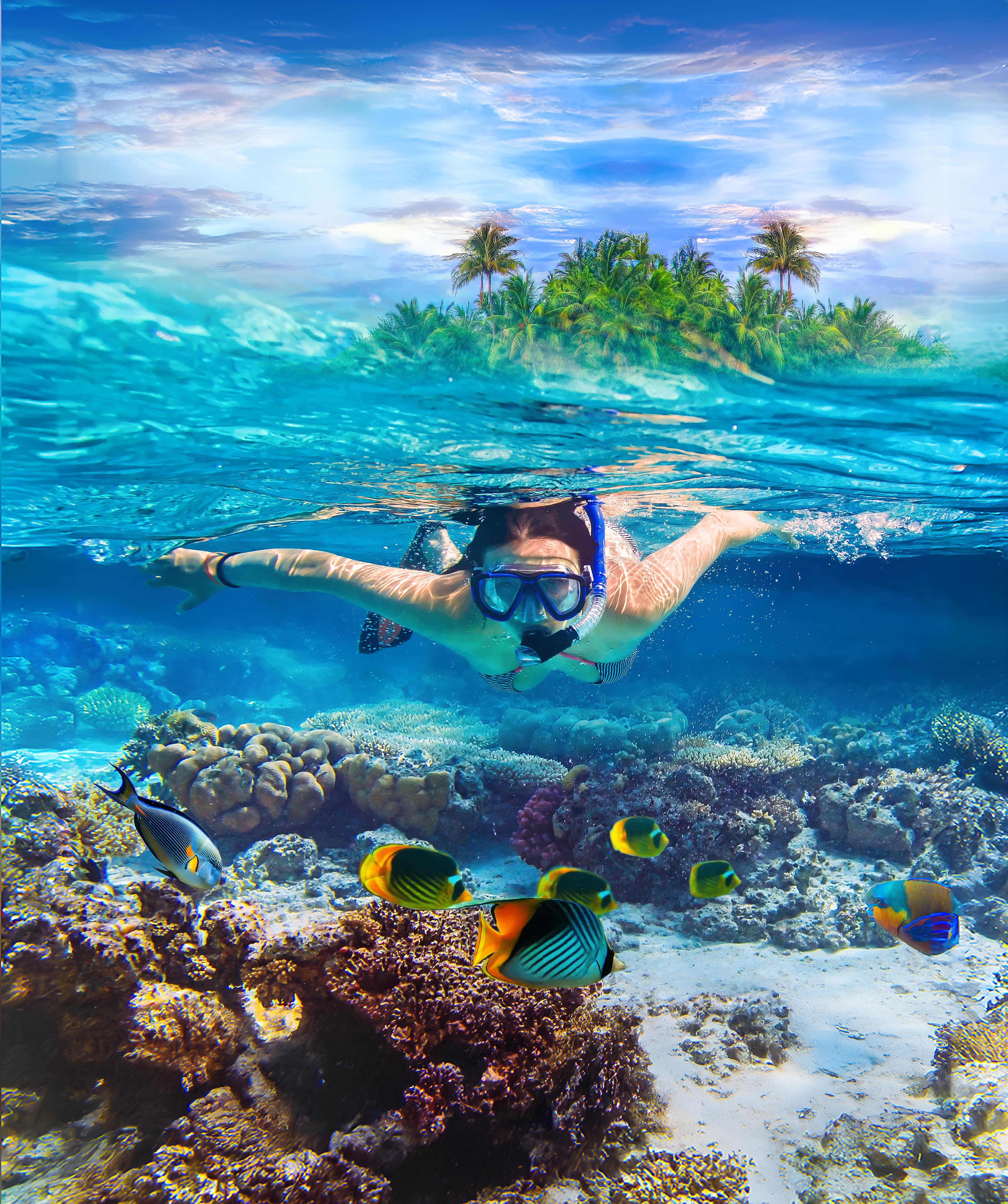
"Visibility reaches 20 meters on calm mornings between May and September."
A step-by-step walkthrough of the visit — what you'll see, how long each stage takes, and the details that matter.
You board a fiberglass boat at Uppuveli Beach at 8:30, the hull scraping sand as the crew pushes into knee-deep surf. The 15-minute ride to Pigeon Island crosses water so clear you track the anchor chain's descent when the boat moors 40 meters offshore. You adjust your mask, bite the snorkel's silicone mouthpiece, and roll backward into 28-degree water. The reef materializes 2 meters below — a plateau of branching coral in rust, yellow, and violet, punctuated by sea cucumbers the size of your forearm. You kick toward the island's north point, where the reef drops to 5 meters and the current sweeps plankton past stationary fish. A hawksbill turtle ascends from a crevice, exhales a silver bubble stream, and surfaces 3 meters ahead. You follow at a respectful distance as it dives again, using its front flippers to scrape algae from a coral head. Thirty minutes pass. You drift over sandy patches where garden eels retract into burrows, then return to the shallow reef where damselfish defend territories the size of dining tables. The guide taps your shoulder and points — a blacktip reef shark, 1.2 meters long, patrols the reef's outer edge before vanishing into blue water. You surface, spit salt water, and climb the boat ladder as the crew stows gear for the return crossing.
The conservation fee is 25 USD for foreign adults entering Pigeon Island National Park.
The best season for snorkeling in sri lanka is from May to September when the seas are calm.
Yes, families are welcome, though children should be supervised and equipped with proper life vests.
Yes, the park is open daily from 08:00–17:00, including weekends and public holidays.
Tickets are purchased at the Nilaveli beach office; while some tours include them, you can buy them on-site upon arrival.
Yes, bringing your own mask and fins is recommended for comfort and hygiene during your time at Pigeon Island.
No, there are no food or drink facilities on the island, so please bring your own provisions.
You can hire an official boat service from Nilaveli Beach for a 15-minute crossing to the island.
Cancellation terms are set by the individual tour operator, but entrance fees to the park are generally non-refundable.